


Imagine if members of your community joined together, encouraged one another to foster and adopt, and created a network of support for these families. We would see more children with families of their own, richer family life, more engaged communities—and a better society.
The Second Nurture Model


People Who
Understand
Connect with others who understand the unique joys and challenges of raising system-impacted children.
Practical
Support
Volunteers who are there when you need them whether meals, childcare, respite, tutoring or just at your side.
People Who
Understand
Friendships, check-ins, celebrations and support that continues throughout the month.
What Happens Next?
From your first conversation to finding your community.
1
2
3
4
5
Tell us about
your family
We'll reach out personally
We'll introduce you to a Cohort
Come to a gathering
You've found your community
Share a little about your caregiving journey
We'll answer your questions and help you get started
We'll connect you with a nearby or online community
Share a meal, meet caregivers, experience belonging
You'll leave knowing people are walking beside you
Foster Parents
Caring for children through the foster care system.
Who Can Join?
Kinship Caregivers
Relatives or close connections raising children.
Families of every faith, culture, ethnicity, background and family structure are welcome.
The synagogue is simply the community of people who are there to support you!
Foster-Adopt Parents
Families who have adopted and are on this journey.
If you're caring for a child through foster care, foster-adoption or kinship, you belong here.
Guardians
Families who have guardianship of children.
Those in Licensing Process
Preparing to open your home and welcome a child.
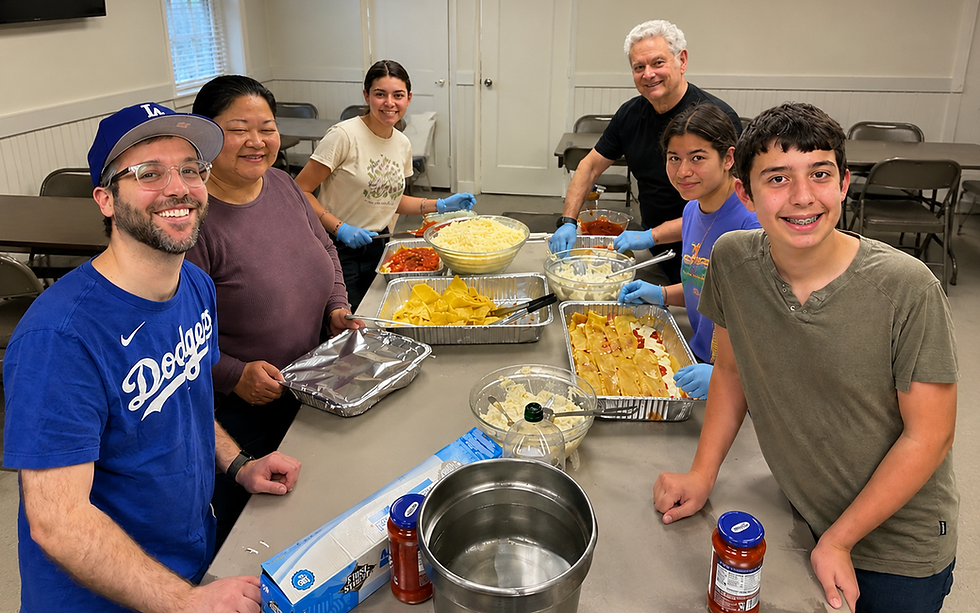
When you arrive for a 2N Cohort gathering, members of the Host Community (usually a synagogue) will welcome you and your family. They serve the meal they prepared, then everyone sits together to eat and chat. Over time, these become the people who celebrate your joyful moments, check in during difficult weeks, and share in the responsibility of supporting your family.
After everyone has had a chance to eat and get to know one another, children head to their own supervised activities while caregivers meet with Second Nurture's trained Family Support Specialist.
In the caregiver group, you can be honest about what life is really like with people who understand. There's no judgment and no pressure to share. We share, listen, soothe, problem-solve and sometimes laugh about things that would make other parents stare—but here, everyone understands.
You can also let your Family Support Specialist know what kind of support would be helpful, whether that's meals, childcare, tutoring, transportation, or simply someone to check in. She works with Host Community volunteers, families, and 2N staff so everyone stays connected, support is coordinated, and relationships continue.

No. Second Nurture will never charge our families for anything.
We want the kids to come! There are supervised kids' activities with wonderful volunteers running the activities.
That's exactly why we're here.
Of course. But we hope you will find your 2N family and want to be a regular.
2N surrounds your family with lasting relationships, practical support, and a community that stays connected.
Reach out to us. We'll help connect you with online support and we can discuss bringing to 2N to a community near you!
Your Second Nurture Community
Every Second Nurture community surrounds your family with three kinds of support.
Your Caregiver Cohort
A welcoming group of foster, kinship, adoptive, and guardianship caregivers who meet each month to share, learn, and encourage one another.
Your Volunteer Community
Caring volunteers who provide meals, practical help, celebrate milestones, and continue showing up between gatherings.
Your Family Support Specialist
A trained professional who guides caregiver conversations, connects families with resources, and helps make sure no one walks this journey alone.
Working Together with Social Service Organizations
Second Nurture partners with child welfare agencies, therapists, schools, and other community organizations to strengthen the support surrounding families—so caregivers can focus on what matters most: their children.
"I reached out to Second Nurture and I have not felt alone since."

Kelli L,
Cohort Parent
How It Works
Cohort

Whether a family is just curious about fostering and adoption or has already taken the plunge, nothing replaces the wisdom, comfort, and “I-see-you” sense of community than meeting others on the same path. Each month, Second Nurture helps families connect by facilitating a bagel brunch, where they share experiences and meet expert guests on everything from hair care to how to talk with kids about their birth families to trauma-informed yoga, and so much more. Between meetings, families keep up with each other via a private group Facebook page. A cohort is a safe, supportive place to navigate the journey through foster care and adoption.
Networks of Support

When members of the cohort face a challenge, they turn to each other first for expertise and support, developing a trusted group of volunteer experts over time. When a need can’t be met by the cohort members, the need is made known to their wider community. When needed, Second Nurture steps in to connect members with county agencies or private organizations that can provide the necessary resources and expertise like therapeutic services, diversity training, cultural opportunities, and more.
Community Culture

Second Nurture works with communities to develop resources that integrate fostering and adoption into communal traditions, rituals and events across a range of settings so that all families feel seen and held by the larger community.
By normalizing foster care and adoption as common, celebrated ways of growing a family and facilitating a network of trust, companionship, and support among foster and adoptive families, Second Nurture builds communities that a.) hold adoption and fostering as essential values b.) help foster and adoptive families see themselves reflected in the identity of the community.
We'd Love to Welcome You


